 When I look back on my reading lists over the years, I find the number of fictions I have read by women which were translated into English has been pathetically low. At certain times in my reading career, I have steered away from translations of either men or women fearing I would not get the pure original voice of the author. However for the classic male writers there were always translations available which I ultimately read. As for females there were very few women considered classic writers, and most of them wrote in English. The women who did get translated were those like Simone de Beauvoir (Jean Paul Sartre), Elsa Morante (Alberto Moravia), or Irmgard Keun (Joseph Roth) who had connections to famous male writers.
It was not until the 2000s that I started reading translated female writers in earnest. Perhaps the turning point for me was the rediscovery of Irene Nemirovsky starting with the publication of a translation of ‘Suite Francaise’ in 2004. here was one of the major writers of all time finally getting her due. I continued to read all her fine work as it was translated.
The next major event was the discovery of Elena Ferrante. Her four-novel cycle, the Neapolitan Novels (‘My Brilliant Friend’, ‘The Story of a New Name’, ‘Those Who Leave and Those Who Stay’, and ‘The Story of a Lost Child’) , enchanted me as few fictions do and caused me and many others to pay more attention to translated novels in general and those by women im particular.
Here are some of my other favorites by women who have been translated into English.
 ‘The Princess of Cleves’ by Madame de la Fayette (1676) Translated by Nancy Mitford
Here’s one from way back that has somehow survived until today. “The Princess of Cleves” gives us an inside view of the French royal court in the sixteenth century. Although Madame de la Fayette wrote the novel around 1676, the time portrayed in the novel is about 1558 when Henry II was king of France and Elizabeth was just beginning her reign as Queen of England. It seems that nearly all the men and women in the royal court of France, including the King himself, have someone on the side besides their husband or wife. This is a fascinating and different view of royal history than the usual.
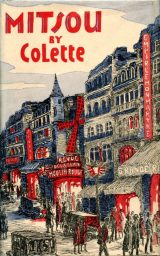 ‘Mitsou’ by Colette (1919) Translated by Jane Terry
Colette is one of the few translated female authors I read before 2000. Of all her suggestive novels, ‘Mitsou’ is probably my favorite.
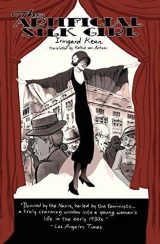 ‘The Artificial Silk Girl’ by Irmgard Keun (1932) Translated by Kathie von Ankum
Here is a German writer known for her sharp-witted humor. She had a romantic relationship with the writer Joseph Roth. Her later life was overshadowed by alcoholism and homelessness.
 ‘When Things of the Spirit Come First’ by Simone de Beauvoir (1937) Translated by Patrick O’Brian
Although I have read de Beauvoir’s more major work ‘The Mandarins’, my favorite is still this collection of interconnected short stories all titled with female names.
 ‘Kallocain’ by Karin Boye (1940) – Translated by Gustaf Lannestock
Here is a dystopian novel about a government who uses truth drugs to ensure the subordination of every citizen to the state. This novel transcends the science fiction genre.
 ‘The Door’ by Magda Szabo (1987) Translated by Len Rix
This novel contains the ultimate hate-love relationship between a modern woman and her old housekeeper. I say “hate-love” because at first these two opposites are disgusted and furious with each other, and it is only later that they recognize that there is a deep closeness between them.
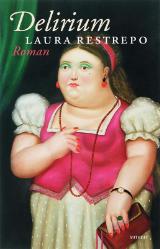 ‘Delirium’ by Laura Restrepo (2004) Translated by Natasha Wimmer
Colombian writer Restrepo uses a multiple narrator technique which speeds this story along because we don’t have to wait for one person to discover every little detail.
‘ ‘Purge’ by Sofi Oksanen (2010) Translated by Lola Rogers
‘When the Doves Disappeared’ by Sofi Oksanen (2012) Translated by Lola Rogers
Estonian Sofi Oksanen is one of my best recent discoveries. Oksanen has done a fine job of bringing these characters to life in these tales of politics and psychology which are never predictable.
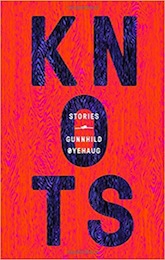 ‘Knots’ by Gunnhild Øyehaug (2012) -Translated by Kari Dickson
In these 26 very, very short stories Norwegian writer Gunnhild Øyehaug puts her characters in comic risqué situations with a lot of humor and from a quirky woman’s point of view. There is nothing that Øyehaug won’t try for a story. These are not your standard issue stories by any means.
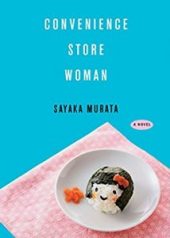 ‘Convenience Store Woman’ by Sayaka Murata (2016) Translated by Ginny Tapley Takemori
Here is a fun way to ease into Japanese literature. ‘Convenience Store Woman’ is a well-done enjoyable novella that celebrates someone who normally doesn’t get the credit she deserves.
There are surely other female writers from the past whose works qualify as classics but still have not been translated.
#100BestWIT
#WITMonth
#womenintranslation


Posted by kaggsysbookishramblings on July 31, 2019 at 10:35 PM
A nice selection Tony. I’m keen to read Kallocain! And that’s a beautiful Colette cover!
LikeLiked by 1 person
Posted by Anokatony on August 1, 2019 at 6:24 AM
Hi kaggsy,
I expect that if Kallocain had been in English it would have been as famous as Brave New World and 1984,
LikeLiked by 1 person
Posted by Lisa Hill on August 1, 2019 at 4:30 AM
I’ll second that – a nice collection, and with geographic diversity too!
My history with translated books is not much different: what I had read, was French, until somehow I stumbled on Stu’s blog Winston’s Dad, and that changed my reading altogether. However I find I don’t steer towards or away from any gender or geographic source, my selections are based on online reviews which make the book sound enticing.
And that in itself is interesting. Online reviewers (of our sort, anyway) are now embracing translated fiction whereas print reviews remain stubbornly monocultural.
LikeLiked by 1 person
Posted by Anokatony on August 1, 2019 at 7:47 AM
Hi Lisa,
The French were translated first. Yes, that does make sense. Then the Italians, the Germans, the Scandinavians, and the rest of Europe. Then South Americans and Asians and now finally a few Africans.
Winston’s Dad has done a good job introducing us to some translated authors, the Complete Review as well. I try to balance my reading by gender but am not too rigid about it.
Are you going to do a Women in Translation list? :)
LikeLike