Sonnet #129
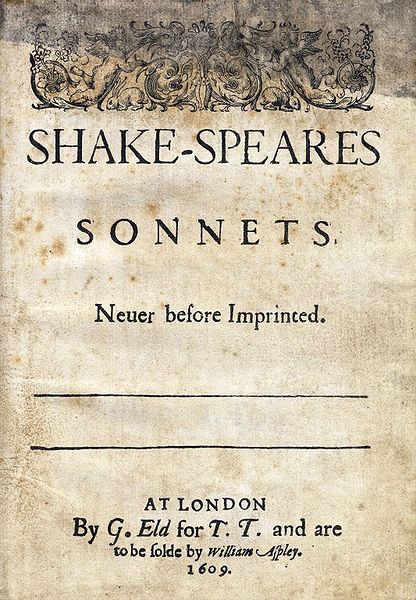 The expense of spirit in a waste of shame
Is lust in action, and till action, lust
Is perjured, murderous, bloody, full of blame,
Savage, extreme, rude, cruel, not to trust,
Enjoyed no sooner but despised straight;
Past reason hunted, and no sooner had,
Past reason hated as a swallowed bait,
On purpose laid to make the taker mad-
Mad in pursuit and possession so,
Had, having, and in quest to have, extreme;
A bliss in proof, and proved, a very woe,
Before a joy proposed; behind a dream.
All this the world well knows, yet none knows well
To shun the heaven that leads men to this hell.
————————————————————————-
There were 154 published Shakespeare sonnets. Of these, the first 126 are addressed to a young man, the Fair Youth. The last 28 are addressed to the Dark Lady. Sonnet #129 is the third sonnet addressed to the Dark Lady. Sonnet #127 is an introduction to the Dark Lady, and Sonnet #128 is a seductive verse addressed to her. By sonnet #129, apparently the seduction was successful, because he feels terrible guilt and shame.
The sonnet starts with a negative definition of lust, “The expense of spirit in a waste of shame is lust in action.” He then lists all of the destructive qualities of lust. “Lust is perjur’d, murderous, bloody, full of blame, savage, extreme, rude, cruel, not to trust, enjoy’d no sooner but despised straight.” Decrying bad old lust, the man is on a full-scale guilt trip.
Up until this point lust is portrayed as purely evil. In the next lines, his attitude toward lust is tempered somewhat because of its conclusion. Lust drives the taker mad, past reason, in pursuit and possession of its quarry, but can lust be evil when it leads to bliss?
The poem has an upbeat and somewhat humorous and ironic ending concluding with the following two-lines.
- “All this the world well knows, yet none knows well
- To shun the heaven that leads men to this hell.”
The world well knows that all the above regarding lust is true, yet no one gives up the chase to reach ‘heaven’. William Shakespeare’s candor in exposing his guilt and shame about lust in this short poem impresses in his honesty and his willingness to face his own devils.
 Tony's Book World
Posted by tom gilbert on August 19, 2014 at 2:21 PM
Hi there–
Is it possible that Shakespeare (excuse me, Francis Bacon) in his sonnet #129, while referring to the Dark Lady, was actually referring to the Divine Mother of the Universe? Bacon was a high initiate into the Mysteries and quite clearly was aware of the “concept” [more reality] of reincarnation, and that this sonnet, 129, is perhaps a very matter of fact description of what it is like to not only descend to this level of materialization from our true heavenly home far above this inferno, unwittingly, as we all do, but to so at our own eternal peril?
Blessings,
Tom Gilbert
LikeLike
Posted by Anokatony on August 19, 2014 at 5:21 PM
Hi Tom,
Yes, it is possible that the Dark Lady is the Divine Mother of the Universe. I certainly take a much more concrete profane view of her in my analysis. I see ‘lust in action’ (perhaps with the Dark Lady) as the reason for his tremendous guilt. Your analysis would be more abstract in a descent into materialization from our true heavenly home. I think we and Shakespeare wind up in the same place with the ultimate result being overwelming guilt.
LikeLike
Posted by twgilbert on August 19, 2014 at 6:47 PM
Thank you very much, Tony. It all makes for worthwhile incessant discussion. eh?.
LikeLike
Posted by Anokatony on August 19, 2014 at 7:18 PM
Hi Tom,
I see Sonnet #129 as a masterpiece, and love to discuss it. Thanks for Stopping By.
LikeLike
Posted by Bijoy Bhuimali on February 21, 2017 at 8:32 AM
It’s an anonymous note written in simple language. This helped me a lot. Victory:-the w!nner
LikeLike